Gym Fits That Actually Survive Leg Day and Don’t Quit Mid-Set
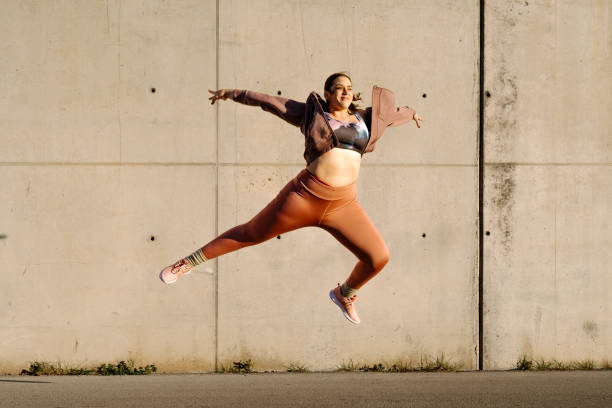
Leg day is not the time to find out your fit is all talk. You walk in feeling locked in, then one squat later your shorts are riding up, your shirt is stuck to your back, and your socks are sliding into your shoe like they got their own plans. That is not swag. That is chaos. A gym fit has to work out with you, not against you. It needs to move, breathe, and stay put when you are going from warm-up to heavy set to the walk back home looking like you survived something.
The first rule is simple: your fit should move like you move. If you cannot squat deep without your shirt grabbing your shoulders, it is not it. If your shorts roll down every time you hinge, that is clown behavior. You want clothes that stretch and snap back. Check the fit by doing a few test moves before you trust it. Air squat. Reach up. Twist. If the outfit feels weird doing normal stuff, it will feel worse when you are actually sweaty and tired.
Fabric is the next big thing. Cotton can be cool for a lazy day, but it can soak up sweat and stay wet. That turns your fit into a damp towel with a logo. Look for stuff that dries fast and feels light. Not too thick, not too stiff. If the tag says it is made for training, cool, but still use your own brain. The fabric should not feel scratchy or heavy. It should let air in and not trap heat. Your skin will thank you, and you will not be that person fanning your shirt in the mirror.
For bottoms, gym shorts and joggers need to pass the leg day test. Shorts should not be so short that every rep feels risky, and not so long that they eat your knees. Pockets are cool, but big loose pockets can flop around and get in the way. Joggers need a waistband that stays up without digging in. If you have to pull your pants up between every set, that is a no. A good pair lets you sit, stretch, and move without making you think about them. The best gym fit is the one you forget you are wearing.
Tops have one job: stay out of the way. A tee or tank that fits close but not tight is usually safe. If it is too baggy, it can fly up during moves. If it is too tight, it can feel like it is fighting you. Look for seams that do not rub and a neckline that stays where it should. Hoodies are fine for warm-up, but once you are hot, they can turn into a trap. Layers are smart because you can peel them off and still look put together.
Shoes and socks matter more than people think. Shoes need to fit and not slide around. For lifting, flat and stable is usually better than squishy. For walking or cardio, use shoes that support your feet. Socks should not bunch up or slip down. Small thing, big problem. A tiny sock fold can feel like a rock in your shoe after ten minutes.
Accessories should help, not distract. A hat can keep hair out of your face. A towel is useful. A water bottle is required. But too much extra stuff can get in the way. The goal is not to look like a walking ad. The goal is to look sharp and feel ready. Rock colors you like. Match if you want. Keep it simple enough that your fit does not need a whole backstory.
Do a real fit check before you leave. Sit down. Stand up. Raise your arms. Do a fake squat. If anything pinches, slips, or feels like it might betray you, swap it out. A fit that looks fire in the mirror but fails in the gym is mid. A fit that looks clean and lets you crush the set is the move. That is the glow-up. Not just matching colors, but picking clothes that can handle the workout and still look like you.
At the end of the day, a gym fit that actually works out has swag because it does its job. It moves, it breathes, it stays put, and it lets you focus on the set instead of your clothes. That is the real fit check. Not just the mirror. The workout.