
How to Make a Custom Keyboard Click Hard Without Blowing Your Whole Allowance
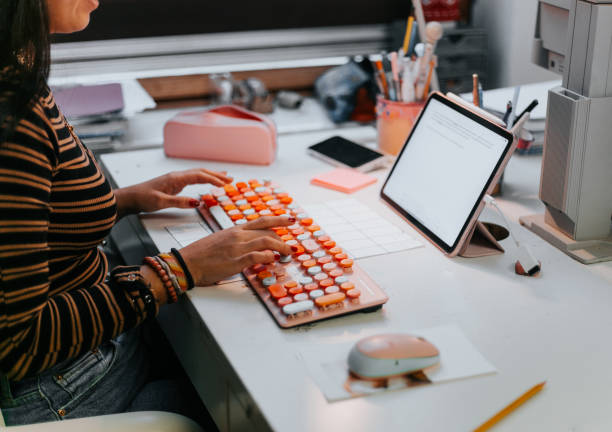
A custom keyboard is not just a desk flex. It is the thing you touch all day, so it should feel good and sound even better. If your keyboard sounds like a sad paper bag and feels like typing on old cereal, you are not alone. The good news is you do not need to be rich or a tech wizard to make a keyboard click hard. You just need to know what makes the click and what makes it mid.
Switches are the little things under each key. They decide if your keyboard feels smooth, bumpy, or straight-up loud. Linear switches are smooth like sliding on ice. Tactile switches have a small bump so you can feel the press. Clicky switches have a loud click that sounds like a tiny robot saying “yup.” If you want click hard, clicky switches are the loud cousin. But do not go full chaos if you share a room, because your family might start a protest.
Keycaps are the hats on your switches. They change the sound and the feel. Cheap thin keycaps can sound hollow and rattly. Thicker keycaps can sound deeper and more solid. Some keycaps feel slick and shiny, while others feel rough and stay cleaner. You do not need rare limited-edition keycaps to have a nice board. Pick a shape and color that match your vibe, then spend your money on stuff that actually changes the sound.
The case matters too. A plastic case can sound light and plastic-y. A metal case can sound heavier and more solid, but it also costs more. You can still make a cheap board sound better by adding foam inside the case. Foam is like a pillow for sound. It can kill that hollow echo that makes a keyboard sound like an empty lunch box. Some people use shelf liner or special foam. Just do not stuff it so full that the keys stop working.
Stabilizers are the helpers under long keys like the space bar and shift. If they rattle, every tap sounds like a tiny shopping cart. You can fix that with lube and a small mod. Lube is special grease that makes things move smooth and sound less scratchy. Do not use random kitchen oil. A tiny bit goes a long way. If you are new, watch a simple video and go slow. Rushing is how people break stuff and get mad.
Hot-swap boards let you pull out switches and put in new ones without soldering. That is a huge win if you want to test sounds without buying a whole new keyboard. Soldering is not evil, but hot-swap is easier for beginners. If you go hot-swap, check that your switches have the right pins. Also, do not yank stuff like a wild animal. Use the right tool and take your time.
Switch weight is another thing to think about. Some switches are light and easy to press. Some are heavier and need more finger power. If your fingers get tired fast, go lighter. If you slam keys like you are gaming on max speed, a heavier switch might feel better. Sound tests online can help, but they can also lie. A keyboard can sound amazing in one video and weird in your room. Test your setup with your own ears.
Budget moves that actually work are simple. Start with a cheap hot-swap board, get one pack of switches you like, add foam, lube the stabilizers, and pick keycaps that feel good. Do not buy five switch packs at once. Your wallet will cry. Trade with friends or buy small sample packs. A custom keyboard is a journey, not a one-day glow-up. Make it click hard, feel good, and sound like you. If it annoys your family, keep the loudest clicky switches for solo time. That is the real flex.